Why this route
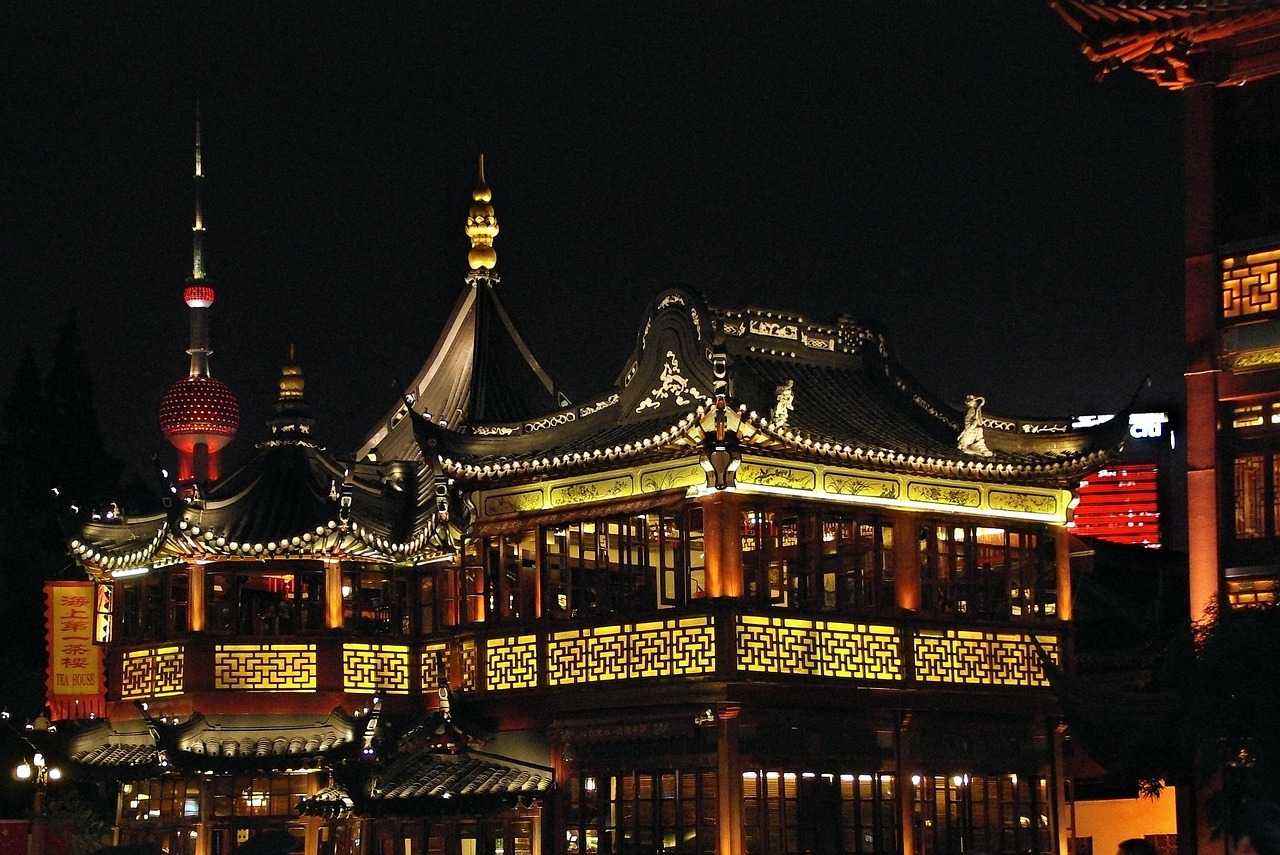
This route strings four East China anchors — Shanghai, Suzhou, Wuzhen and Hangzhou — into one coherent run that steps down from big-city skyline to classical gardens, canal lanes and lake shore. Shanghai’s three days set the frame: Day 1 covers the heritage core of THE CITY TEMPLE OF SHANGHAI, Yu Garden, Nanjing Road Pedestrian Street and The Bund; Day 2 turns to art and city lanes at the China Art Museum, Tianzifang and Xintiandi; Day 3 finishes with Madame Tussauds Shanghai, Lujiazui and the Oriental Pearl Tower. Suzhou then narrows the focus across two complementary days: Day 4 is a temple-and-canal day of Hanshan Temple, Huqiu Scenic Area, Shantang Street Scenic Area and a two-hour Kunqu opera stop, while Day 5 is the garden-and-museum day built on the Humble Administrator Garden, Suzhou Museum and Pingjiang road, closing at Jinji Lake Scenic Area.
Wuzhen’s single day is the pivot, split between the Dongzha zone’s museums, dye workshops and Mao Dun’s Former Residence and the Xizha zone’s Zhaoming Academy, post office, White Lotus Pagoda and Needlework Street. Hangzhou closes the trip with two days around West Lake — Day 7 running Duanqiao Canxue, the Bai Causeway, Gushan Hill, Quyuan Fenghe, the Spring Dawn on Su Causeway, Viewing Fish at Flower Harbour and Mao’s Home Port; Day 8 taking Liulang Wenying, Leifeng Pagoda, Three Pools Mirroring The Moon, Wushan square, Hefang Street and the West Lake Music Fountain — plus a short final day at Feilai Feng, LingYin Temple and the Qiantang River Bridge. The split keeps each city in one uninterrupted block, gives every day a single register, and winds the trip down from urban density to lake and temple calm; durations stay modest, mostly one to three hours per stop with only the China Art Museum running to four, which leaves slack for the untimed walks and the meals threaded through the plan.
Day by day
Day 1 stays in Shanghai’s heritage core: two hours at THE CITY TEMPLE OF SHANGHAI, a meal at Lübolang on Yu Garden Road, an hour in Yu Garden, three hours on Nanjing Road Pedestrian Street, dumplings at Yang’s Fried Dumplings on Huanghe Road, and a closing hour at The Bund.
Day 2 turns to art and lanes: four hours at the China Art Museum, then two hours in Tianzifang and two more in Xintiandi.
Day 3 is the modern-city day: three hours at Madame Tussauds Shanghai, two hours in Lujiazui, and two hours at the Oriental Pearl Tower.
Day 4 crosses to Suzhou for a temple-and-canal day: an hour at Hanshan Temple, two hours at Huqiu Scenic Area, two hours along Shantang Street Scenic Area, a meal of traditional Suzhou cuisine at Deyuelou’s Guanqian branch, and a two-hour stop at the Shantang Kunqu Opera House to finish.
Day 5 is Suzhou’s garden-and-museum day: two hours at the Humble Administrator Garden, noodles at the Yuxingji shop on Xibei Street, two hours at the Suzhou Museum, an hour on Pingjiang road, and two hours at Jinji Lake Scenic Area.
Day 6 belongs entirely to Wuzhen and splits between its two zones. The Dongzha side takes in the Jiangnan Hundred Beds Museum, the Jiangnan Folk Museum, the Hongyuantai dye workshop, the Jiangnan Woodcarving Exhibition Hall (half an hour to an hour), and Mao Dun’s Former Residence; the Xizha side follows with the Caomu Bense dye workshop, Zhaoming Academy, the Wuzhen post office, the White Lotus Pagoda, and Needlework Street.
Day 7 opens Hangzhou with a long lakeside circuit: Duanqiao Canxue and the Bai Causeway, two hours on Gushan Hill, a meal at Louwailou on Gushan Road, an hour at Quyuan Fenghe, the Spring Dawn on Su Causeway, an hour at Viewing Fish at Flower Harbour, two hours at Mao’s Home Port, and a meal at Zhiweiguan Weizhuang on Yanggongdi to close.
Day 8 keeps circling the lake and the city side: an hour at Liulang Wenying, two hours at Leifeng Pagoda, an hour and a half at Three Pools Mirroring The Moon, two hours at Wushan square, an hour at Hefang Street, and the West Lake Music Fountain to finish.
Day 9 is a short closing day: half an hour at Feilai Feng, an hour and a half at LingYin Temple, and the Qiantang River Bridge.
Trade-offs
The schedule flexes most where stops carry no fixed duration. Day 6 in Wuzhen times only one stop — the Jiangnan Woodcarving Exhibition Hall at half an hour to an hour — so the Dongzha museums and the two dye workshops can be trimmed or skipped to protect time for Xizha’s Zhaoming Academy, White Lotus Pagoda and Needlework Street. Day 9 is similarly light, with just two hours of timed sightseeing at Feilai Feng and LingYin Temple, so it absorbs a late start or an early finish without dropping anything named in the plan.
Travellers with fewer than nine days should thin the blocks rather than reorder them: dropping Madame Tussauds Shanghai frees three hours on Day 3 while keeping the Lujiazui and Oriental Pearl Tower pairing; cutting Jinji Lake Scenic Area frees two hours on Day 5 while keeping the Humble Administrator Garden, Suzhou Museum and Pingjiang road intact; and skipping Wushan square and Hefang Street together frees three hours on Day 8 for the lake itself. For a slower pace, let the untimed walks on Day 7 — Duanqiao Canxue, the Bai Causeway and the Spring Dawn on Su Causeway — run long, since the timed stops that day add up to only six hours.