Why this route
These six days run the classic Jiangnan triangle — Shanghai, Suzhou, Hangzhou — the densest cluster of sights on China’s east coast. Three cities, none more than about half an hour apart by high-speed rail, and a shape that fits a single week without a single internal flight. Fly in and out of Shanghai and the loop closes on itself; the whole route is effectively one long city break stitched together by short train rides.
Three anchors define the triangle. The riverfront of The Bund anchors Shanghai; the Humble Administrator’s Garden — the most celebrated of the classical gardens — anchors Suzhou; and the causeways and pagodas of West Lake anchor Hangzhou. Around each one sits a walkable old quarter: Yu Garden and the temple market in Shanghai, Pingjiang Road along the canals in Suzhou, Hefang Street below the hills in Hangzhou.
The day split is even by design: two days per city, Shanghai first, Suzhou in the middle, Hangzhou last. Shanghai gets the arrival energy and the skyline evenings; Suzhou gets the quiet garden hours; Hangzhou gets the lake, which rewards the slowest pace of the three. The symmetry is also the route’s flexibility — any city’s second day can shrink without breaking the triangle.
Day by day
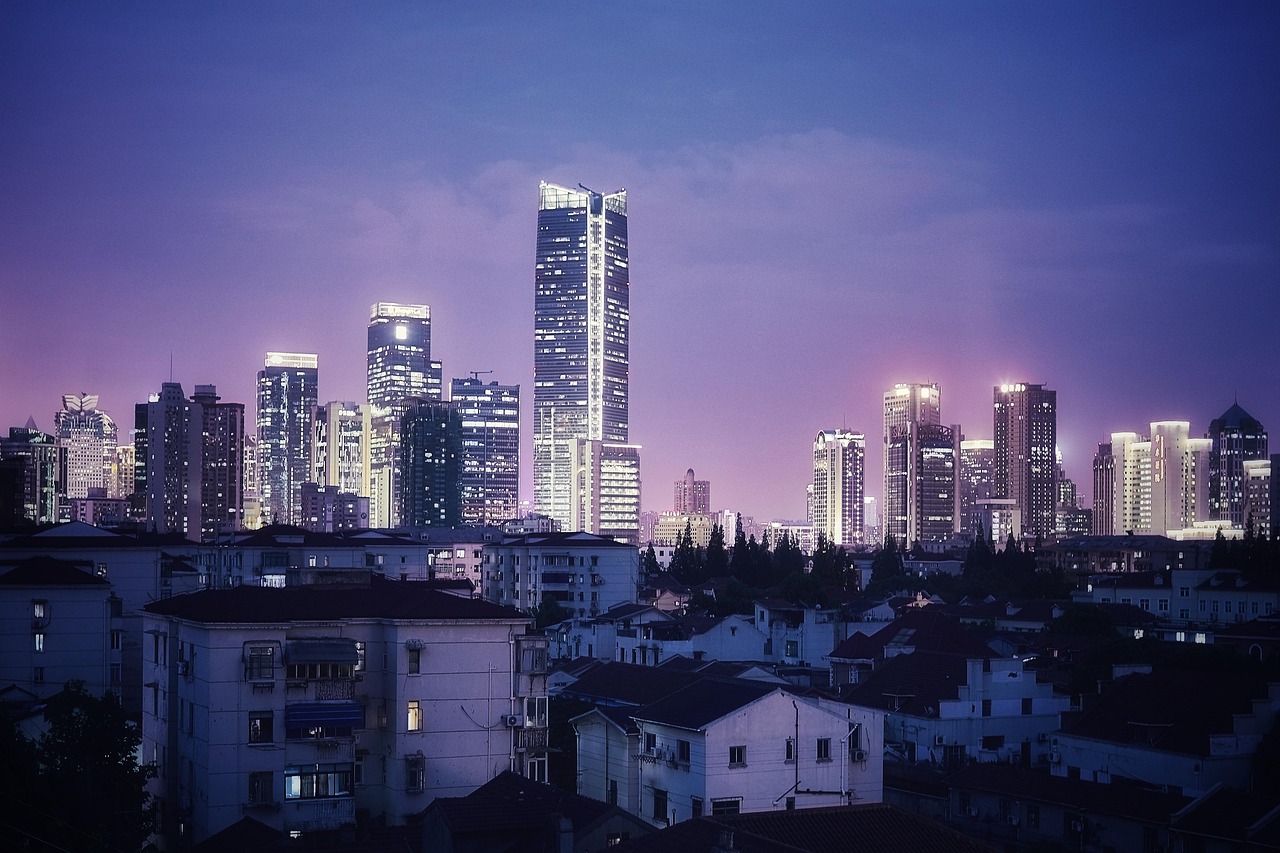
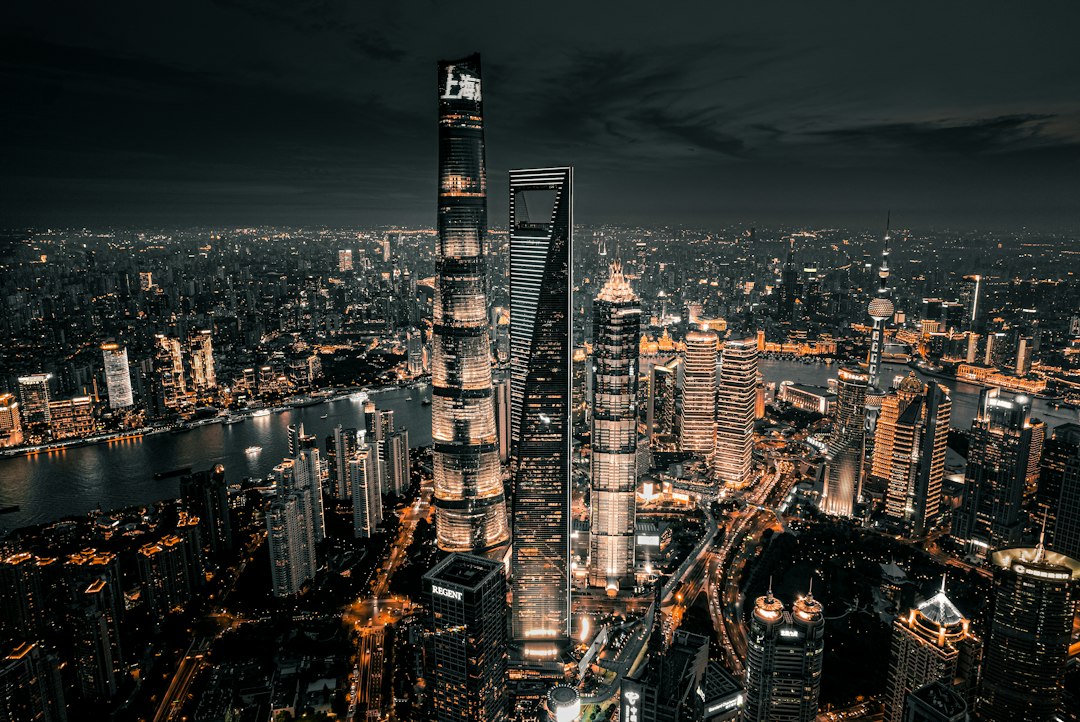
Days 1 and 2 belong to Shanghai. Day 1 walks the old core in one line: the rock gardens and winding corridors of Yu Garden, the incense and stalls of The City Temple beside it, then east along Nanjing Road to the riverfront of The Bund, timed so the colonial facades catch the last light with the Pudong towers lit across the water. Day 2 is the open Shanghai day — museums, the French Concession streets or whatever the first day left behind.
Days 3 and 4 move to Suzhou. Day 3 is the garden day: the Humble Administrator’s Garden early, the compact courtyards of the Lion Grove with its maze of taihu rocks, the Suzhou Museum between them, and the evening along the lantern-lit canals of Pingjiang Road. Day 4 pairs the small perfection of the Master-of-Nets Garden with the leaning pagoda on Huqiu and the street musicians’ quarter of Shantang Street — or swaps the afternoon for a canal town, with Tongli the closest and Zhouzhuang the best known.
Days 5 and 6 close in Hangzhou. Day 5 circles West Lake the slow way: south along the Su Causeway, out to the islets of the Three Pools Mirroring The Moon, back past the rebuilt Leifeng Pagoda, and north along the Bai Causeway from the Broken Bridge. Day 6 is the hills: the incense halls and grotto carvings of the Lingyin Temple, the tea terraces of Longjing Village where the famous green is picked, and a last walk down Hefang Street before the evening train back to Shanghai for the flight out.
Trade-offs
Suzhou’s second day is the natural cut. Dropping Day 4 — or collapsing it to the Master-of-Nets Garden alone — turns the route into a comfortable five days, and the garden experience survives intact on Day 3. If a full day must be added instead, it belongs to Hangzhou: the wetlands of Xixi Wetland on the city’s edge are the one worthy seventh-day addition in the triangle.
The middle flexes by half-days in all three cities. Shanghai’s Day 2 is deliberately unassigned; Suzhou’s canal towns and Hangzhou’s tea hills are half-day swaps rather than commitments. The one order that should hold is Suzhou in the middle: Shanghai-Suzhou-Hangzhou keeps every leg short and lets the trip wind down from skyline noise to lake quiet, which is the psychological arc that makes six days feel like a rest.
The legs are the best part of this route. Every inter-city hop is a short high-speed rail run — Shanghai to Suzhou, Suzhou to Hangzhou, Hangzhou back to Shanghai — booked same-day without ceremony, and no leg eats more than a fraction of a day. The only planning point worth respecting is the end: most international flights leave from Shanghai, so the final evening’s return train should be booked before the trip starts, unless the outbound flight uses Hangzhou’s own airport, in which case the route simply finishes in place.