Why this route
This itinerary holds together as one continuous crossing rather than a set of loops: it starts in Shangri-La in Southwest China and ends at the Potala Palace and Barkhor Street in Lhasa, and every day advances that line. The connecting theme is Tibetan sacred and mountain landscape. The route gathers its monasteries, temple and old town around Shangri-La first — Dukezong Ancient Town, Ganden Sumtseling Monastery, Feilai Temple — builds to the sacred peak at Meri Snow Mountain and the Yubeng cluster, crosses into Tibet at the thousand-year-old salt fields of Yanjing, then works through pass, grassland and river-bend country before the scenery turns to glaciers, lakes and the Yarlung Tsangpo Grand Canyon and finishes at the palace itself.
The day split does deliberate work. The densest sightseeing comes early, while the stops still cluster around Shangri-La and Meri Snow Mountain: six hours on Day 1, five on Day 2 and eleven on Day 3, the heaviest day of the ten. The middle then thins out — Days 4 to 6 carry one or two stops each, and Day 5 is down to a single two-hour stop at Dongda Mountain — before the final third rebuilds through four, five and seven hours and tapers into a four-hour finale at the Potala Palace and Barkhor Street. The plan, in short, front-loads the Meri Snow Mountain and Yubeng cluster, gives the middle of the crossing a light rhythm, and saves the symbolic endpoint for a gentle last day.
Day by day
Day 1. Three hours at Potatso National Park followed by three hours at Dukezong Ancient Town — six hours in total, an opening that pairs a national park with an old town.
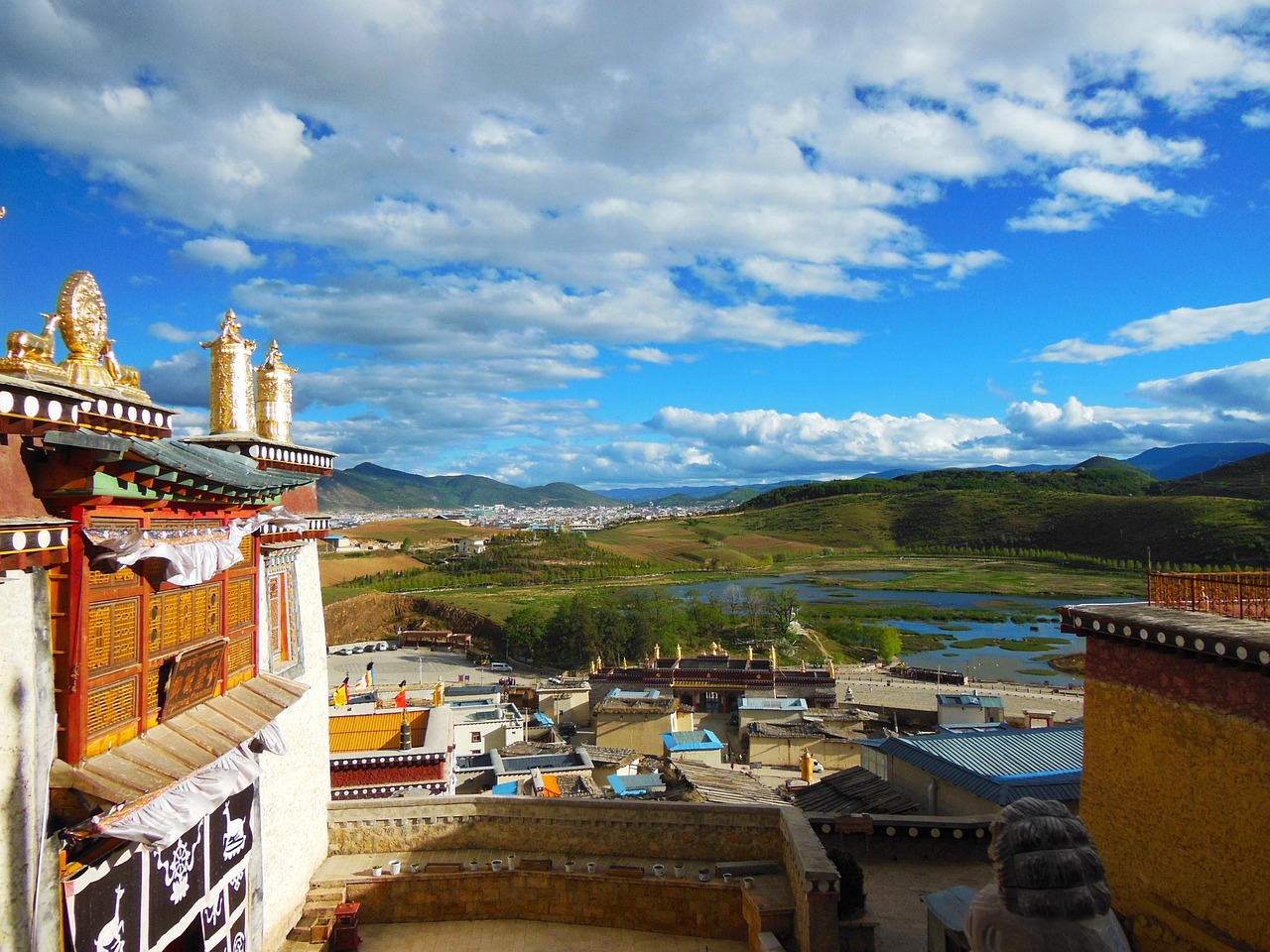
Day 2. Five hours across three stops: two hours at Ganden Sumtseling Monastery, an hour at the Jinsha River, then two hours at Feilai Temple, the last stop before the Meri Snow Mountain day.
Day 3. The heaviest day of the route: eleven hours across five stops, four hours more than any other day. Three hours at Meri Snow Mountain, two at Yubeng Village, two at Xiaonong Pass, then two each at Yubeng Ice Lake and Yubeng Sacred Waterfall.
Day 4. A single stop: the thousand-year-old salt fields of Yanjing, where the route arrives in Tibet. With only one sight, it is the most open day of the ten.
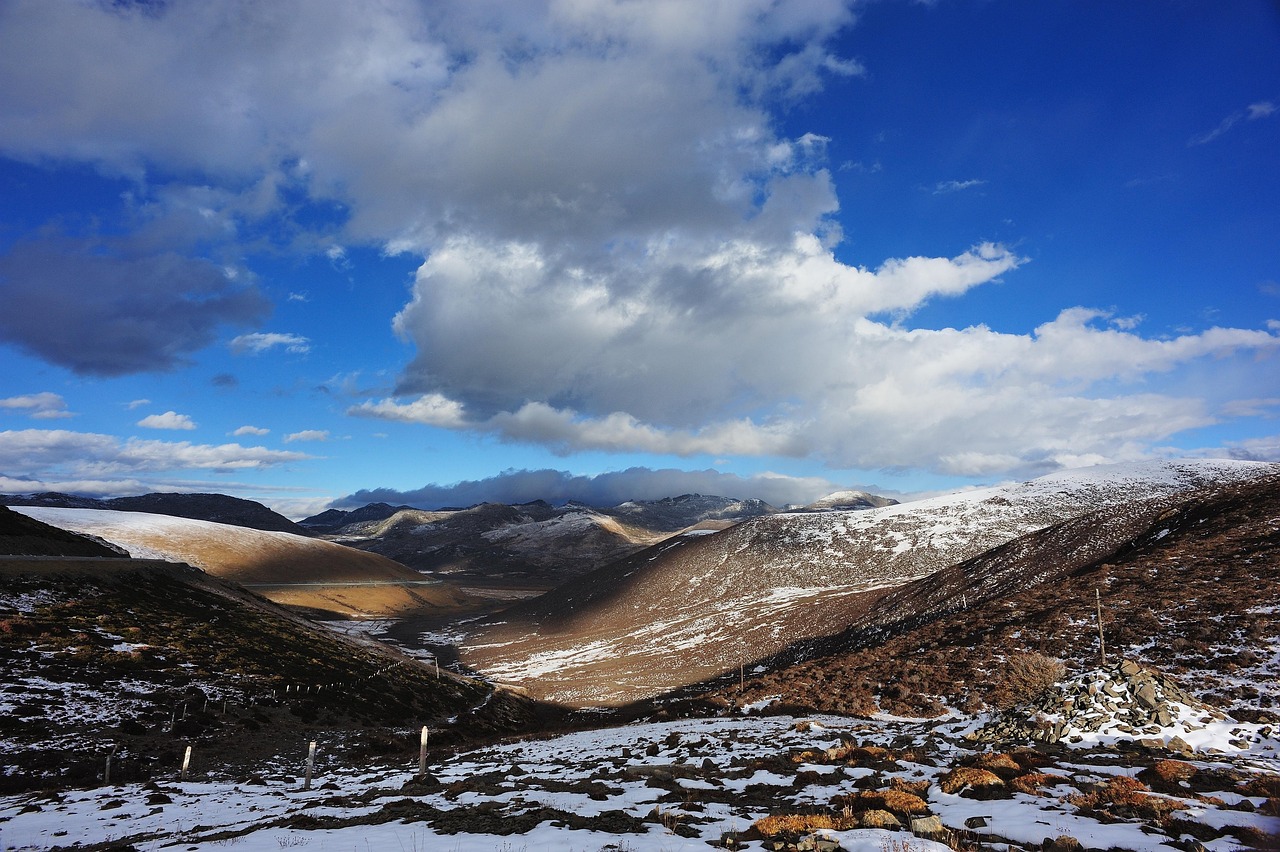
Day 5. The lightest day on paper: a single two-hour stop at Dongda Mountain.
Day 6. Four hours split evenly, with two hours at Bangda Grassland and two at the seventy-two bends of the Nu River.
Day 7. Another four-hour day: two hours at Laigu Glacier and two at Ranwu Lake.
Day 8. Five hours: three at the Yarlung Tsangpo Grand Canyon and two at the Namcha Barwa viewing platform.
Day 9. The second-heaviest day, at seven hours across three stops: three hours at Basum Tso, two at Tsodzong Gongba Monastery and two at Kading Valley Scenic Area.
Day 10. A four-hour finale in Lhasa: two hours at the Potala Palace and two at Barkhor Street.
Trade-offs
Day 3 is the pinch point, and it has a clean fix. Eleven hours across five stops is four hours more than any other day, so anyone wanting a gentler day should cut either Yubeng Ice Lake or Yubeng Sacred Waterfall — two hours each — which brings the total down to nine. Travellers set on the full Yubeng circuit should instead split Day 3 over two days and recover the time from the lighter middle of the route.
The middle is where the schedule flexes. Day 5 carries only a two-hour stop at Dongda Mountain and Day 6 just four hours in total, so a slow morning or a lost half-day costs little there, and Day 4’s single-stop salt-field day is easy to reshape around delays. On the far side, anyone running behind toward the end can trim Day 9 by dropping Kading Valley Scenic Area — two hours — and keeping Basum Tso and Tsodzong Gongba Monastery for a five-hour day.