Why this route
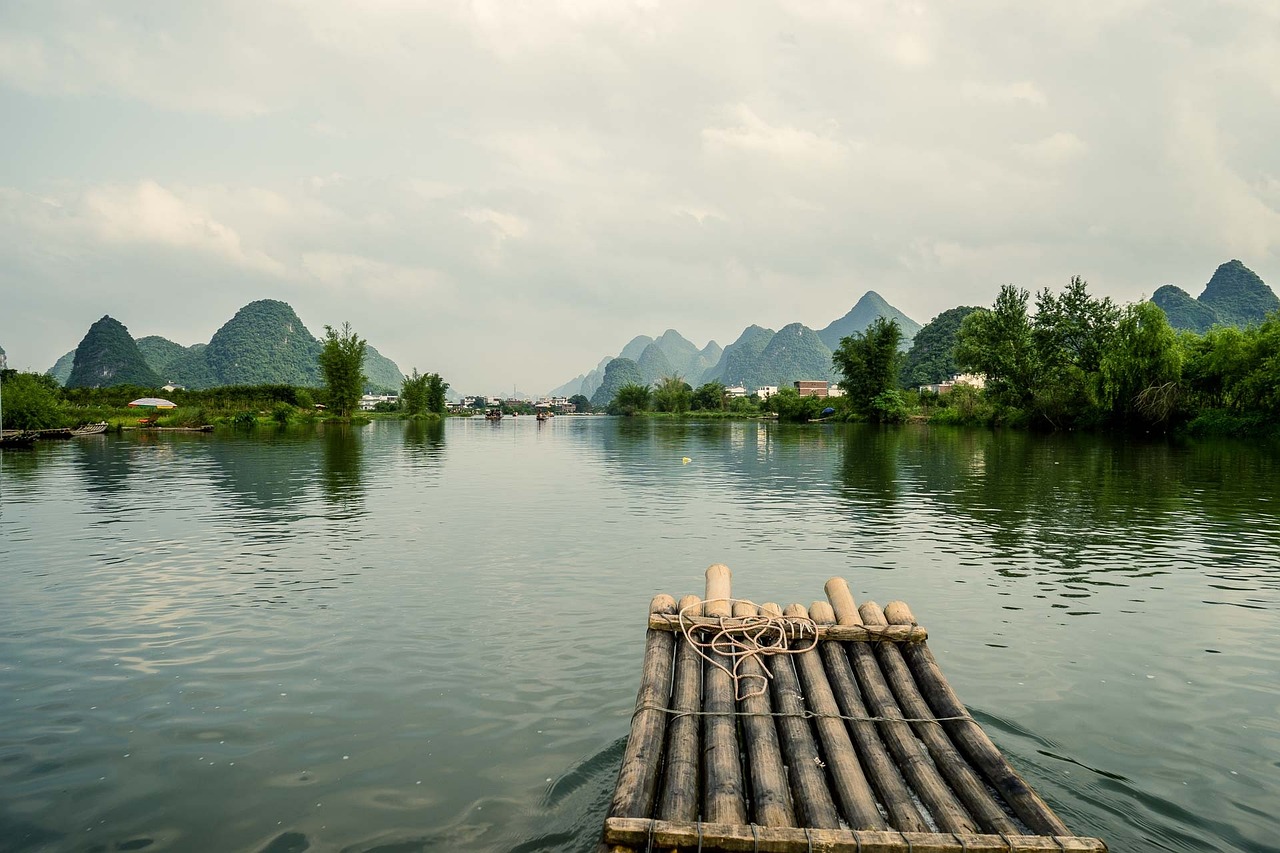
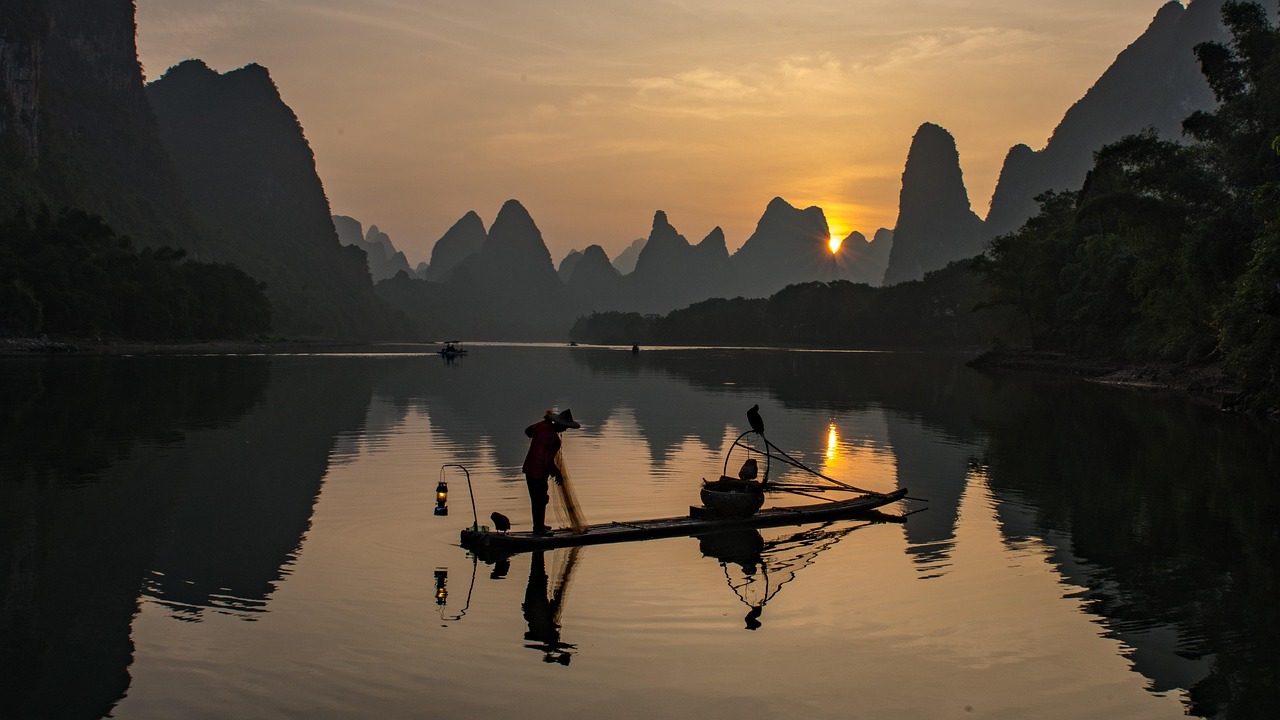
This route holds together around one idea: the river-and-old-street country around Yangshuo, followed by its quieter heritage towns and parkland. The first two days stay close to the water and the settlements beside it — the Yulong River, the Ten-Mile Gallery, the Li River at Xingping Ancient Town — with West Street and the Yangshuo Cultural Heritage Park adding the town-life and history layer. Every stop on those days is short, one to three hours, so the opening act works as a fast sampler rather than a deep dive.
From Day 3 the plan changes gear deliberately. The stone-flagged street of Huangyao Ancient Town, Dailong Bridge and the Dragon Claw Banyan stretch three one-hour strolls across a whole day, and each of the final three days is given over to a single six-hour park — Gupo Mountain National Forest Park, the Shibashui Ecological Scenic Area and the Hezhou Jade Stone Forest Scenic Area. The split gives the route a clear arc: two dense sightseeing days up front, then four unhurried single-destination days that trade riverside views for forest, ecological scenery and stone formations.
Day by day
Day 1 opens with two hours on the Yulong River, the river drift that travellers consistently favour as a first taste of the area. Two hours along the Ten-Mile Gallery follow, and the day closes with three hours on West Street, the longest stop of the day.
Day 2 is the densest of the route at four stops. Three hours in Xingping Ancient Town come first, then one hour on the Li River and one hour at the Yangshuo Cultural Heritage Park. The day ends with a second two-hour pass along the Ten-Mile Gallery, the only stop the route repeats.
Day 3 slows to a stroll in Huangyao Ancient Town: one hour on the ancient town’s stone-flagged street, one hour at Dailong Bridge and one hour at the Dragon Claw Banyan. Three short stops leave the rest of the day loose.
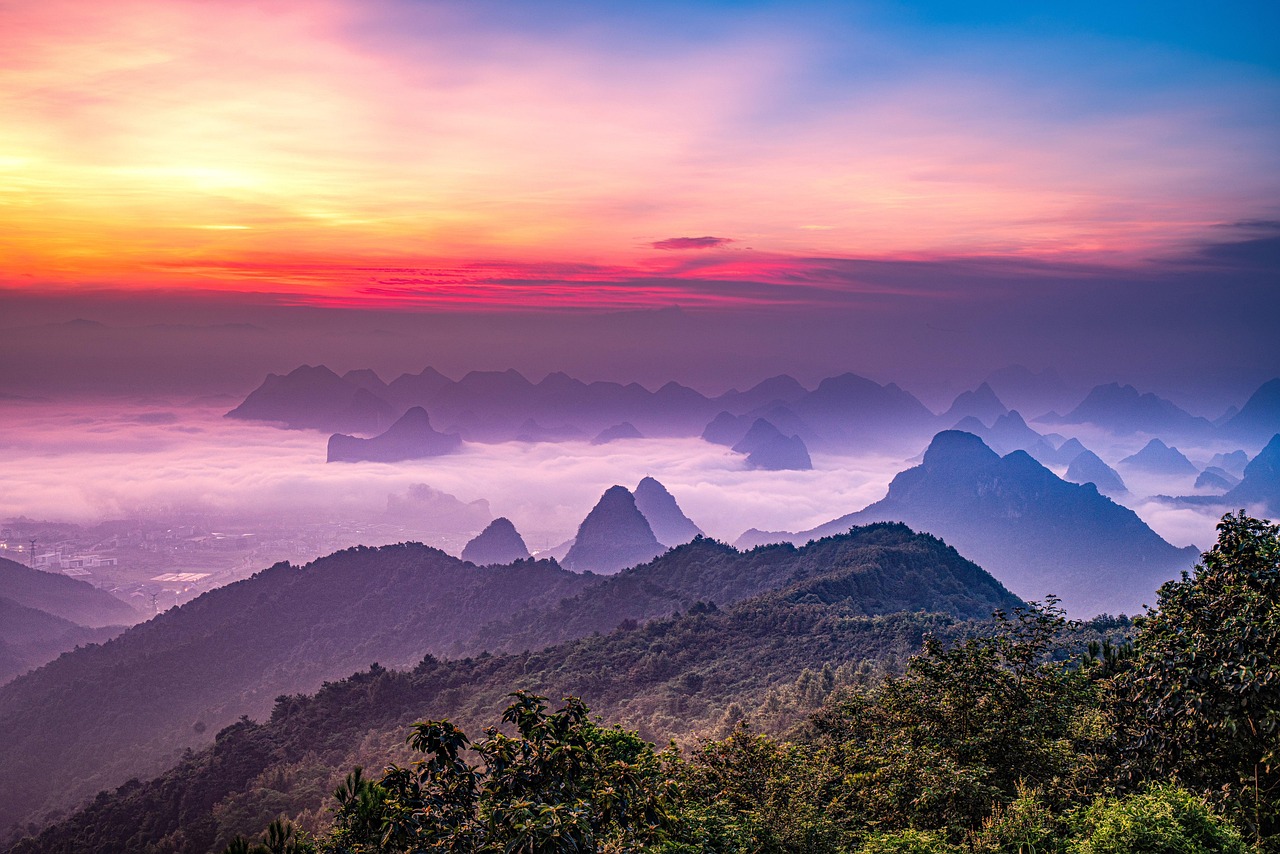
Day 4 belongs entirely to Gupo Mountain National Forest Park, with six hours budgeted for the park. Day 5 follows the same single-stop pattern at the Shibashui Ecological Scenic Area, and Day 6 finishes the route at the Hezhou Jade Stone Forest Scenic Area, again with six hours — so the itinerary ends among stone formations rather than on the river where it began.
Trade-offs
Day 2 is where the schedule is tightest, and it is also where it flexes. The Yangshuo Cultural Heritage Park is a one-hour stop late in the day; cutting it lightens the densest day of the route without touching Xingping Ancient Town or the Li River. The repeat visit to the Ten-Mile Gallery is the other easy trim — Day 1 already gives the gallery two full hours, so travellers with heavy legs can drop the Day 2 pass and finish early.
The back half of the route is built for cutting. Days 4, 5 and 6 are each a single six-hour park, so anyone needing a shorter trip can remove one whole day — the Shibashui Ecological Scenic Area or the Hezhou Jade Stone Forest Scenic Area are the natural candidates — and compress the route to five days without reshuffling anything else. Travellers with young children, or anyone who finds back-to-back six-hour park days heavy, should keep just one of the three park days and treat Day 3’s three one-hour strolls in Huangyao as the recovery point between the Yangshuo sprint and the park finale.