Introduction
Xi’an is a city in Northwest China with a recorded been-count of 62,272 — the number of travellers who have logged the city as visited in the source data. The crawl behind this guide samples six itineraries: one covers a single day, four run three days, and one runs ten, which makes three days the most common length on offer. Choice rates are recorded for five of the six routes; among those, a three-day plan holds the highest rate at 40% and the one-day route follows at 39%, while the ten-day route’s rate is unrecorded and cannot be compared against the others.
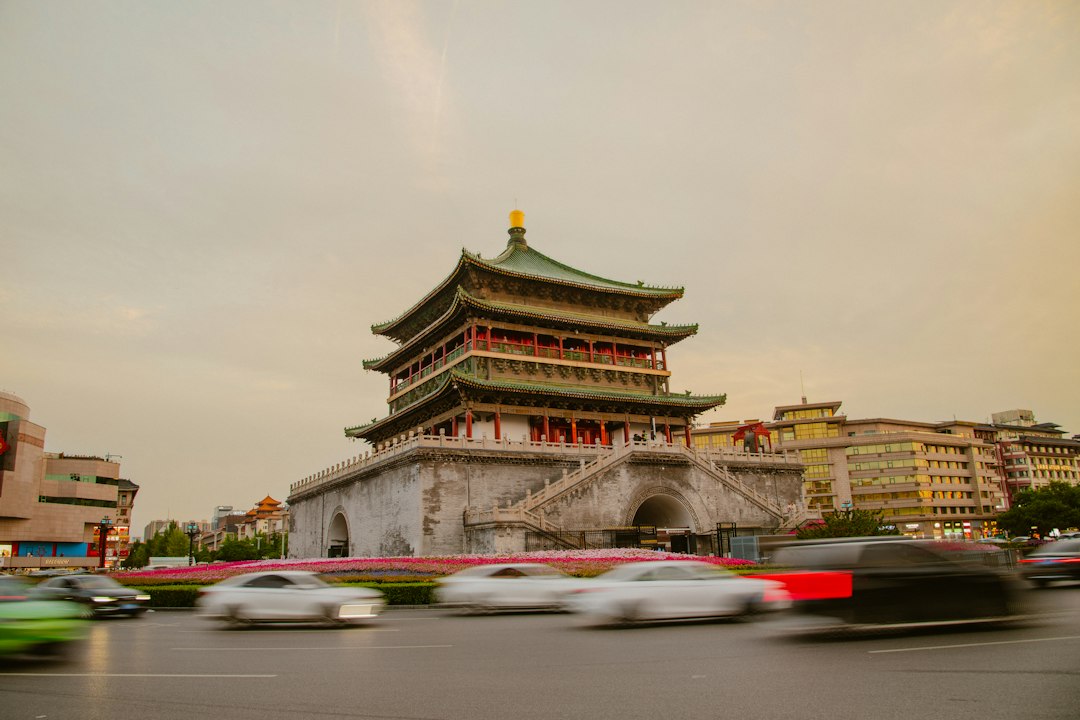
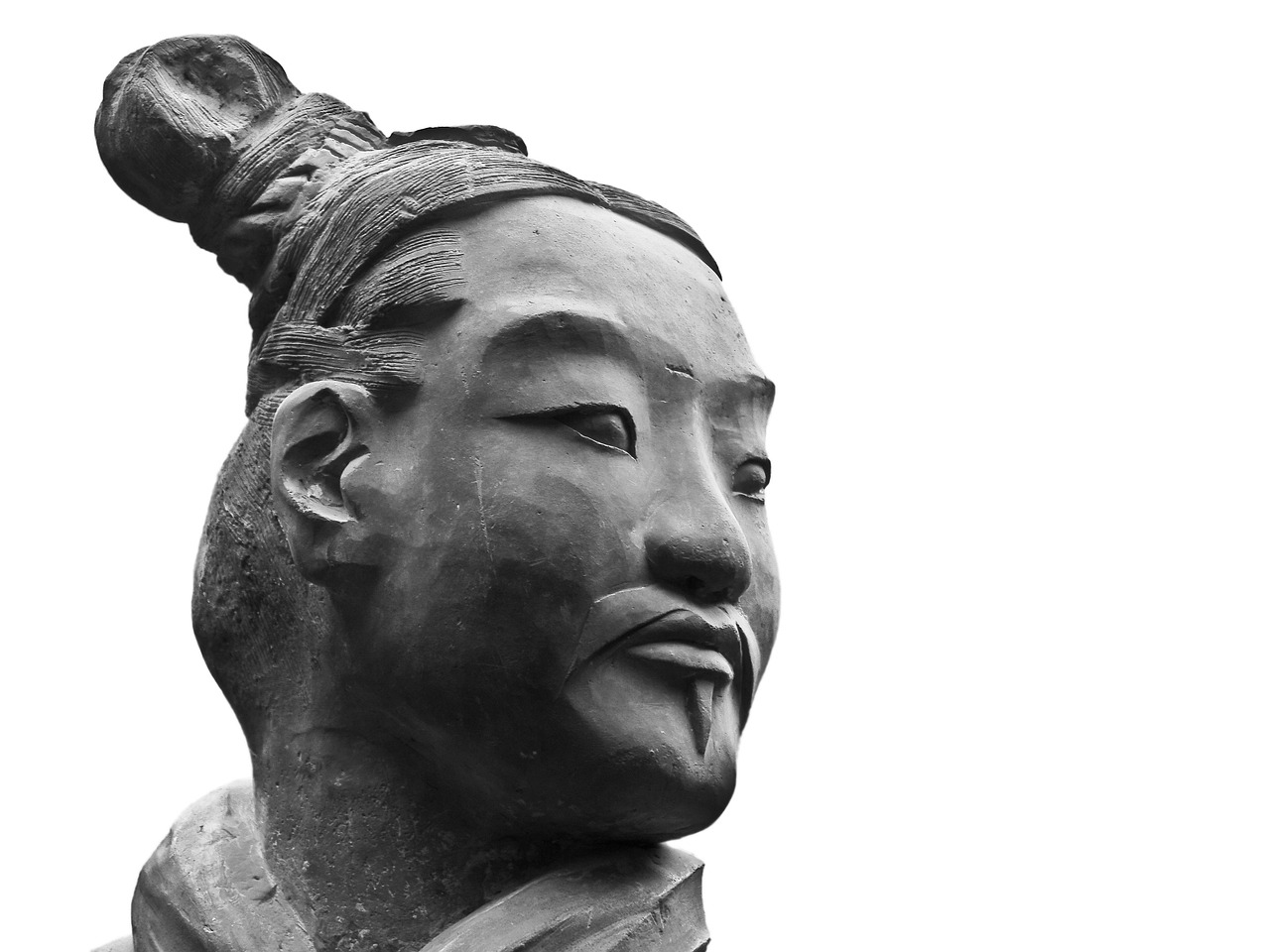
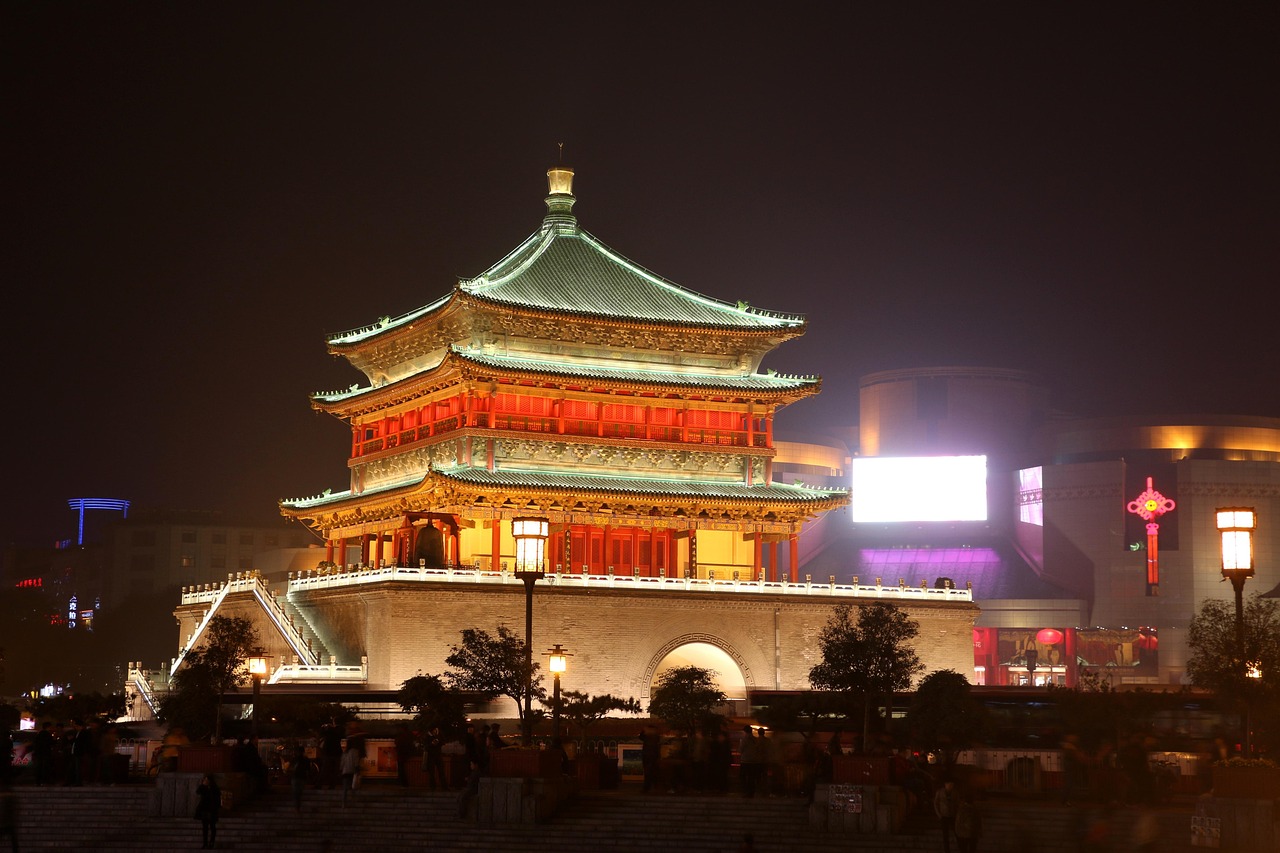
The stops seen across the sampled routes pair Xi’an’s imperial heritage with its urban landmarks: Emperor Qinshihuang’s Mausoleum Site Museum (the Terracotta Army), Huaqing Palace, Daming Palace National Heritage Park and Famen Temple on the historic side; the Muslim Quarter, Bell and Drum Tower Square and Big Wild Goose Pagoda North Square as city sights; Mount Hua as the list’s one mountain; and two stops beyond the city — the Lanzhou Yellow River Iron Bridge and Gansu Provincial Museum. The crawl records these stops in aggregate rather than by route, so this guide reports what travellers across the sampled itineraries visit without assigning any stop to a specific plan.
Suggested itineraries
The crawl contains six routes, each drawn from a single source. Four are three-day plans, one is a one-day plan and one is a ten-day plan, so three days is both the most common length and the middle option. Recorded choice rates run 40%, 39%, 36%, 29% and 28% across the five routes where the figure exists; the ten-day route’s rate is null, so its popularity relative to the others is unknown. Among the routes with recorded rates, the top rate, 40%, belongs to a three-day plan, and the one-day route sits close behind at 39% — a pattern that points travellers toward short, city-focused trips, while the spread of three-day rates from 28% to 40% shows how much those plans vary in appeal.
The crawl lists stops in aggregate, not per route, so no individual itinerary’s contents can be reconstructed. Read as a pool, the sampled routes take in the Terracotta Army at Emperor Qinshihuang’s Mausoleum Site Museum, Huaqing Palace, the Muslim Quarter, Bell and Drum Tower Square, Big Wild Goose Pagoda North Square, Famen Temple, Mount Hua and Daming Palace National Heritage Park in and around Xi’an, and the list reaches beyond the city to the Lanzhou Yellow River Iron Bridge and Gansu Provincial Museum — evidence that some sampled itineraries extend into Gansu, though which ones is not recorded.
Things to Do
The crawl records ten stops across the sampled routes, and it supplies no stop-level frequency, weight or ranking data — the list is unranked, so no stop can be called the anchor or the most-visited of the group. All ten carry equal weight in the evidence, and none can be assigned to a particular route length. With that caveat, they group into four loose clusters.
Four stops carry the region’s imperial and religious heritage: Emperor Qinshihuang’s Mausoleum Site Museum, home of the Terracotta Army; Huaqing Palace; Daming Palace National Heritage Park; and Famen Temple. Three are urban landmarks — the Muslim Quarter, Bell and Drum Tower Square and Big Wild Goose Pagoda North Square — the squares-and-streets side of the city, though the crawl does not record which routes include them. Mount Hua is the pool’s single mountain, the one stop that is a natural landscape rather than a built site. The last two sit outside Xi’an altogether: the Lanzhou Yellow River Iron Bridge and Gansu Provincial Museum, both in Gansu, whose presence in the aggregate list confirms that some sampled travellers push beyond Xi’an into the neighbouring province.