Why this route
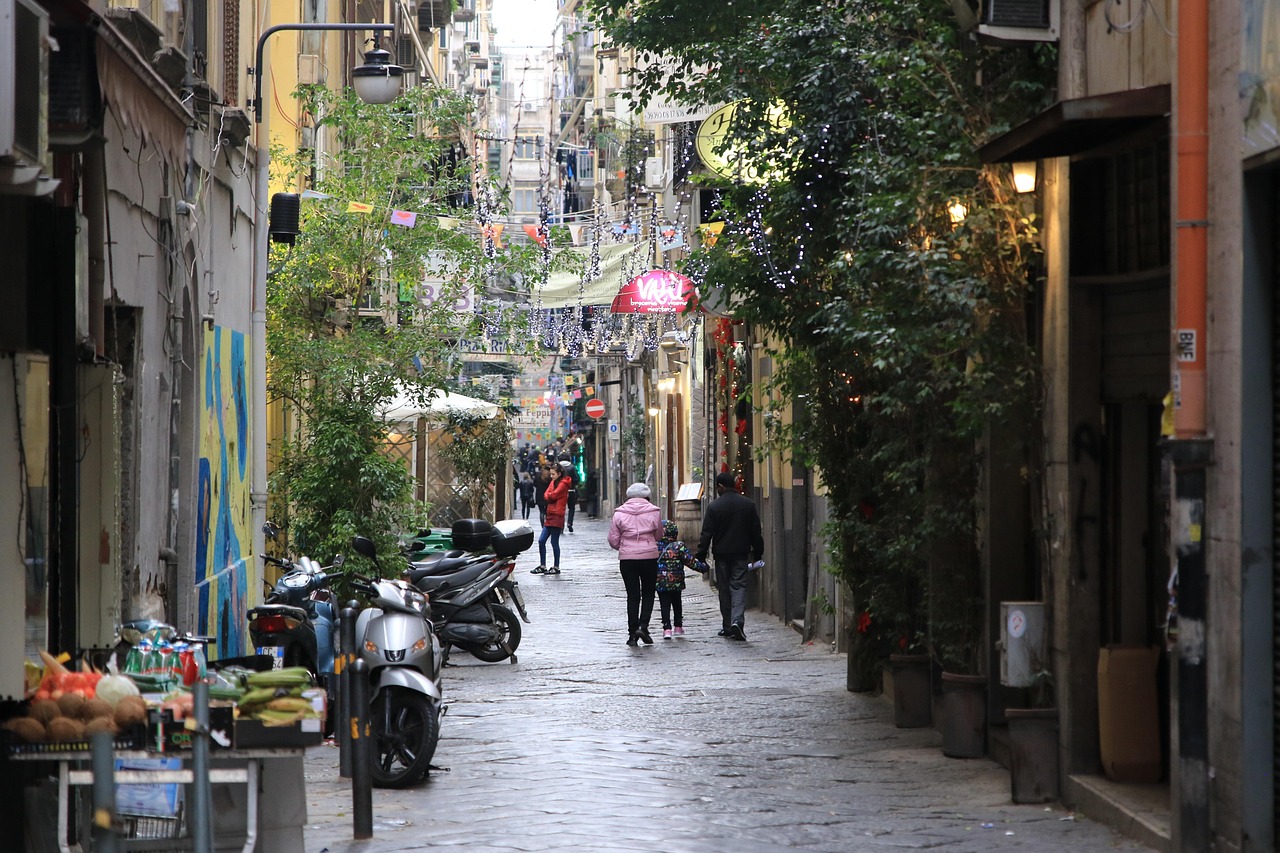
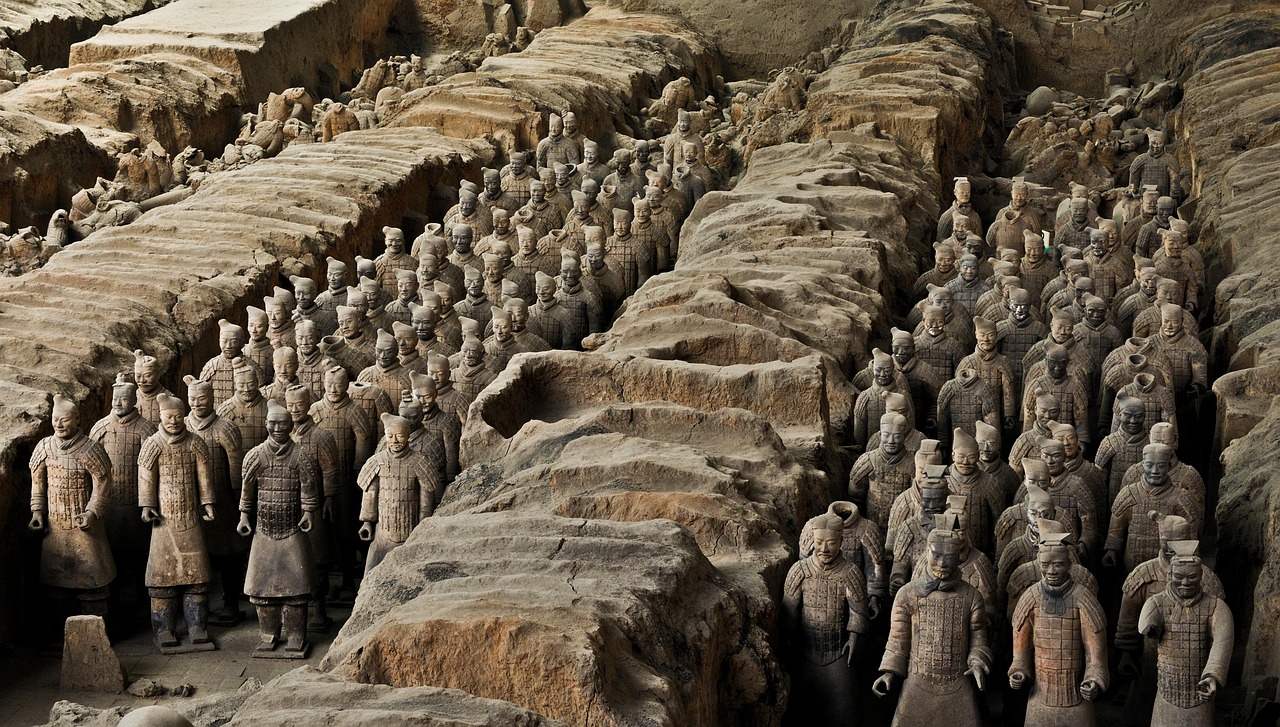
This three-day Xi’an route reads as a single arc through the city’s layers: street life, empire, and the written word. Day 1 stays at street level with Xicang, the Muslim Quarter, the Gao Family Mansion and Bell and Drum Tower Square, moving from lanes to a courtyard mansion to a landmark square. Day 2 changes the scale, placing Emperor Qinshihuang’s Mausoleum Site Museum at its centre and balancing it with the Song of Everlasting Sorrow performance and a stroll along Shuncheng Lane. Day 3 narrows the focus to ink and stone at the Yu Youren Calligraphy Art Museum, Shuyuanmen Pedestrian Street and the Forest of Stone Steles Museum, closing with a meal at Sanyuan Lao Huang Jia (Wenyi Road branch).
The day split does the pacing work. Every stop on the plan sits inside a one-to-three-hour band, which keeps the itinerary modular: Day 1 stacks four short visits, Day 2 gives the mausoleum site museum room to run its full one-to-three-hour range alongside a performance and a lane stroll, and Day 3 clusters three culture stops, none longer than three hours, before an untimed meal. The result is an alternating rhythm: a many-stop street day, a three-stop imperial day, and a lighter culture day that ends at the table.
Day by day
Day 1. The route opens at Xicang, whose one-to-two-hour range suits an unhurried first stop, then moves into the Muslim Quarter for one to three hours. The Gao Family Mansion follows with a one-to-two-hour visit, and the day closes at Bell and Drum Tower Square, whose one-to-three-hour range makes it the natural place to spend whatever time is left.
Day 2. This is the imperial day. Emperor Qinshihuang’s Mausoleum Site Museum leads with a one-to-three-hour range and stands as the day’s headline visit. The Song of Everlasting Sorrow performance follows at one to three hours, and Shuncheng Lane rounds out the day with another one-to-three-hour window.
Day 3. The culture finale runs from the Yu Youren Calligraphy Art Museum (one to three hours) through Shuyuanmen Pedestrian Street (one to two hours) to the Forest of Stone Steles Museum (one to two hours), in that order. The route then ends with a meal at Sanyuan Lao Huang Jia (Wenyi Road branch), the one stop on the plan that carries no time estimate, which makes it an unhurried final act.
Trade-offs
The schedule flexes at the low end of every range. If Emperor Qinshihuang’s Mausoleum Site Museum runs to its full three hours, compress Shuncheng Lane to the bottom of its one-to-three-hour band; it is Day 2’s natural pressure valve. On Day 1, Bell and Drum Tower Square can either absorb the time left after Xicang, the Muslim Quarter and the Gao Family Mansion or be trimmed to a brief pass, since its own range spans one to three hours.
Simplify by interest. Travellers with only a passing interest in calligraphy can drop the Yu Youren Calligraphy Art Museum and keep Shuyuanmen Pedestrian Street plus the Forest of Stone Steles Museum, which carries the day’s theme on its own, while anyone who finds four stops too many for a first day can cut Xicang (one to two hours) and start at the Muslim Quarter. The closing meal at Sanyuan Lao Huang Jia (Wenyi Road branch) carries no time estimate, so it never strains the schedule either way.