Why this route
What ties these nine stops together is a single subject: Xi’an as a city of emperors. The first two days are given over entirely to it. Day 1 strings together the Maoling Mausoleum of Emperor Wu of Han, the Qianling Mausoleum and Famen Temple; Day 2 follows with Huaqing Palace and Emperor Qinshihuang’s Mausoleum Site Museum. Those five stops — three mausoleum sites, a palace and a temple — make the opening stretch one continuous study of imperial tombs and palace grounds.
The day split then changes register. Days 1 and 2 pack in five mausoleum, palace and temple stops, while Day 3 keeps the imperial thread only at the Daming Palace National Heritage Park before turning to the city itself: the North Square of Big Wild Goose Pagoda, the Bell and Drum Tower Square and, last, the Muslim Quarter. The split front-loads the tomb-and-palace sightseeing and reserves the final day for squares, streets and the quarter, so the trip ends in the city rather than at another burial site.
Day by day
Day 1 is the tomb-and-temple day. It opens at the Maoling Mausoleum of Emperor Wu of Han, moves on to the Qianling Mausoleum, and closes at Famen Temple — two mausoleums in succession, then the temple.
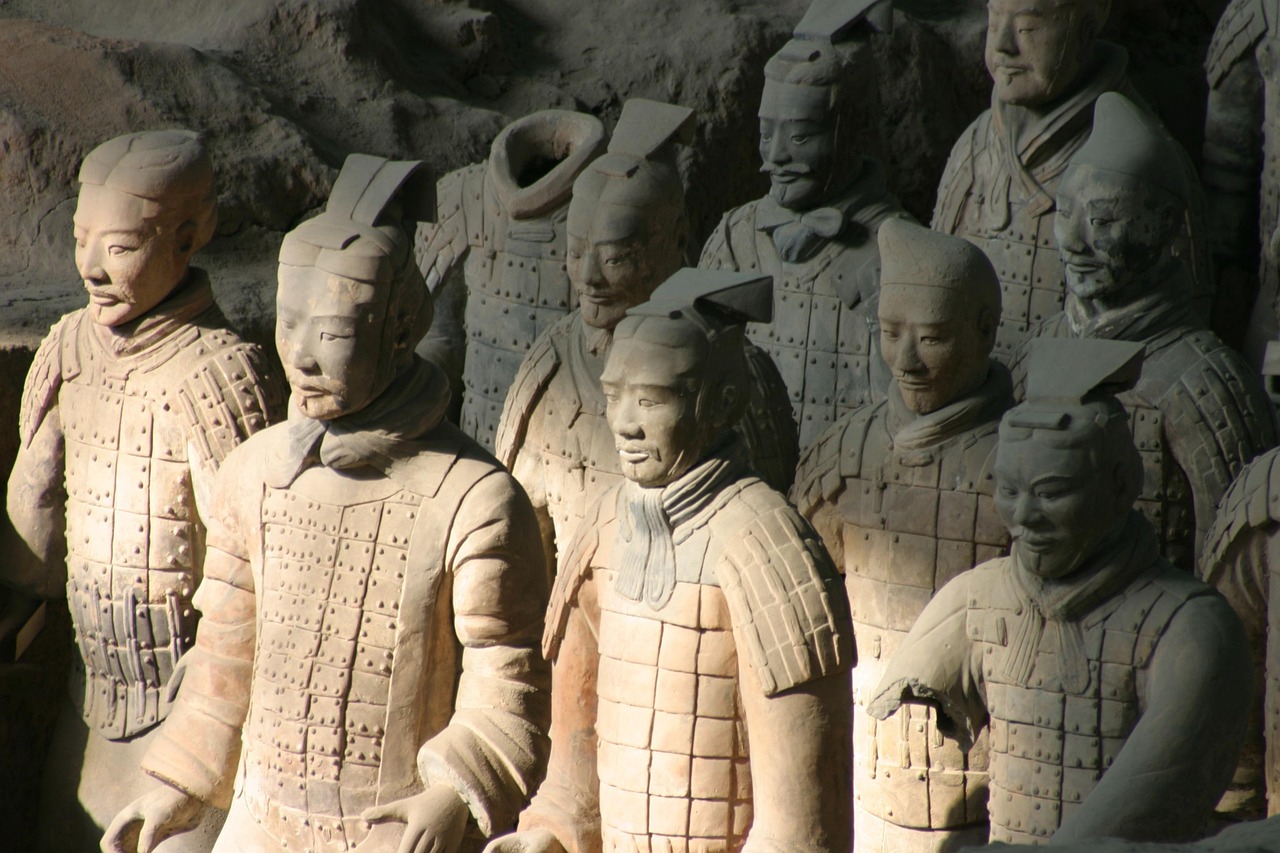
Day 2 narrows to two stops but stays on the same imperial ground: Huaqing Palace comes first, followed by Emperor Qinshihuang’s Mausoleum Site Museum, home of the Terracotta Warriors. A palace followed by an emperor’s mausoleum museum keeps Day 2 in step with Day 1’s tomb-led rhythm.
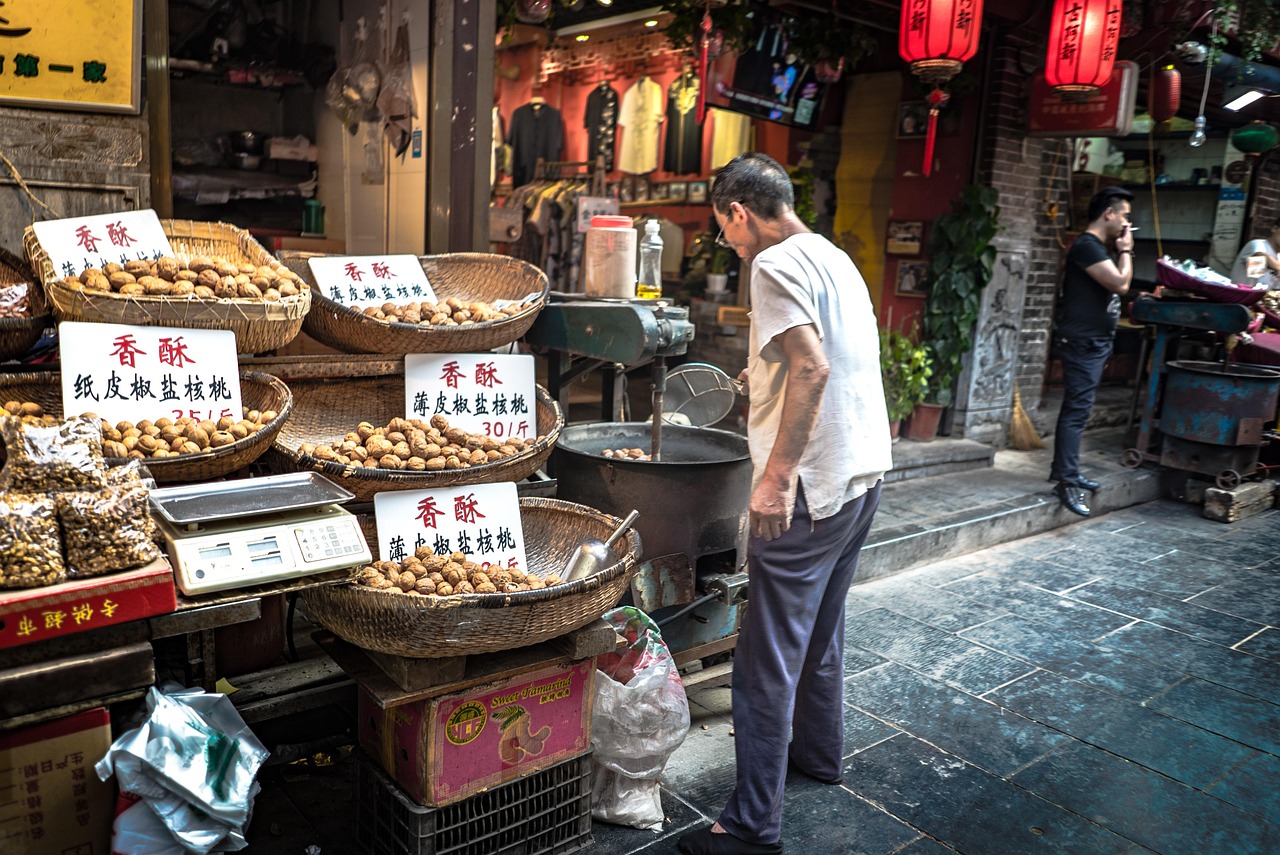
Day 3 brings the route back into the city. It begins at the Daming Palace National Heritage Park, continues to the North Square of Big Wild Goose Pagoda, moves on to the Bell and Drum Tower Square, and finishes in the Muslim Quarter — four stops, none of them a mausoleum.
Trade-offs
Day 1 is the obvious place to cut. It is the only day that stacks two mausoleums and a temple, so travellers who want a lighter opening can drop the Maoling Mausoleum of Emperor Wu of Han and go straight to the Qianling Mausoleum and Famen Temple; the day still delivers a mausoleum plus the temple, and Days 2 and 3 need no changes.
Day 3 is where the schedule flexes. Its four stops — the Daming Palace National Heritage Park, the North Square of Big Wild Goose Pagoda, the Bell and Drum Tower Square and the Muslim Quarter — are city landmarks rather than mausoleum sites, so the day compresses without breaking the route’s logic. Anyone who wants a slower finish can skip the Bell and Drum Tower Square and end at the Muslim Quarter, and visitors with no appetite for a second palace after Huaqing Palace can start Day 3 at the North Square of Big Wild Goose Pagoda instead of the heritage park.