Why this route
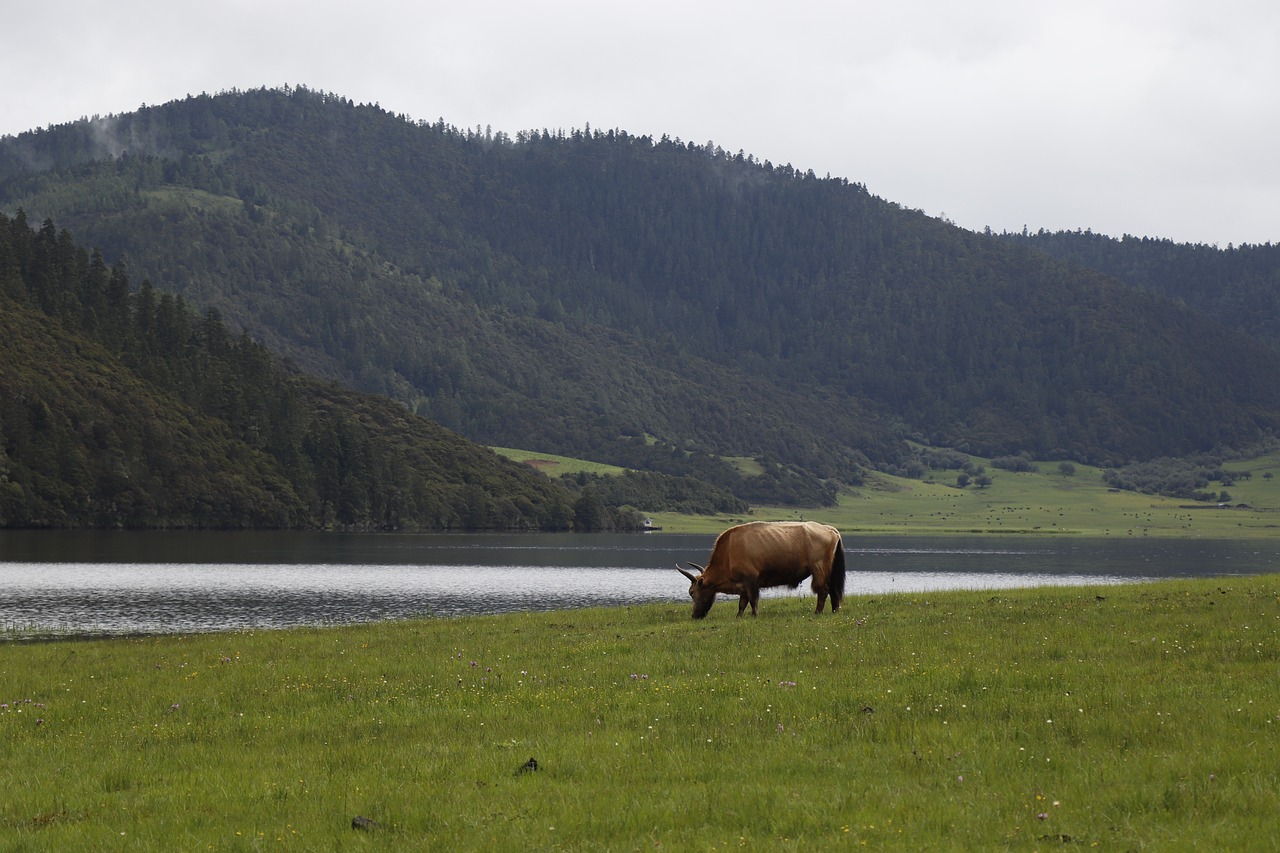
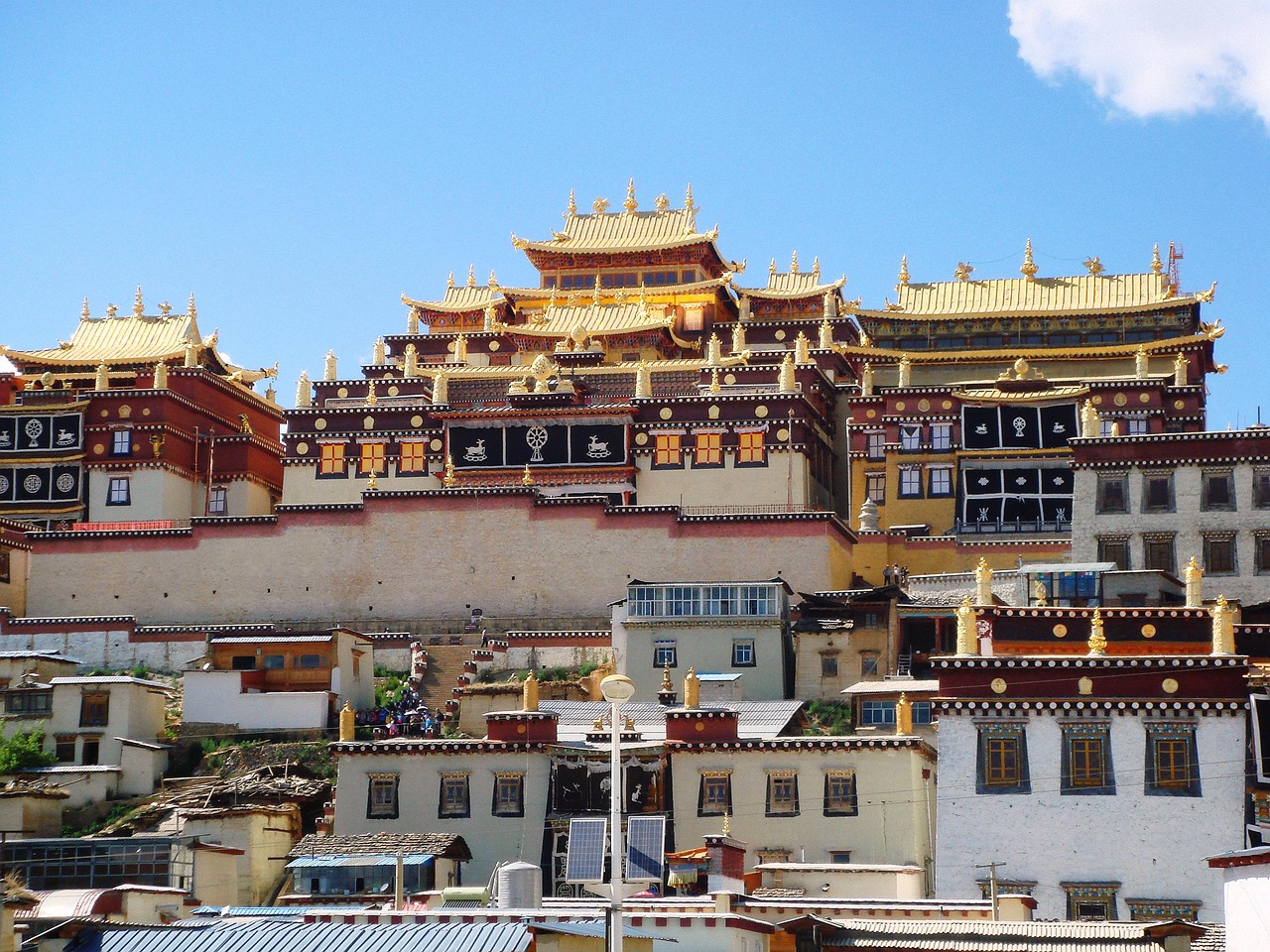
These ten days read as one westward arc rather than a list of detached highlights. Setting out from Lijiang, the route moves through park, ancient town and monastery country at Potatso National Park, Dukezong Ancient Town and Ganden Sumtseling Monastery, climbs into the high sacred country of Meri Snow Mountain and Yubeng Village, then crosses the thousand-year-old salt pans of Yanjing, Dongda Mountain, Bangda Grassland and the Seventy-Two Bends of the Nu River before easing through glacier and lake scenery at Laigu Glacier and Ranwu Lake, the canyon lands of the Yarlung Tsangpo Grand Canyon and Basum Tso, and a two-stop finale at the Potala Palace and Barkhor Street. A devotional thread runs the whole length — monastery, sacred waterfall, temple, palace — so each stage reads as a step along a single line rather than a detour from it.
The day split does real work. Days 1–3 front-load the sightseeing while the stops still cluster tightly — day 3 alone stacks five stops and eleven hours of listed time — after which the middle of the route thins to one or two stops per day across days 4–7, leaving those days loose enough to absorb the movement between stops. Days 8–9 rebuild to two and three stops through the canyon country, and day 10 closes with a compact two-stop finish, so the itinerary ends on ceremony rather than exhaustion.
Day by day
Day 1 eases in with three hours in Potatso National Park followed by three hours in Dukezong Ancient Town — six hours split evenly between park and old town.
Day 2 gives two hours to Ganden Sumtseling Monastery, an hour at the Jinsha River, and two hours at Feilai Temple, before the route turns toward the snow mountains on day 3.
Day 3 is the heaviest day on paper: three hours at Meri Snow Mountain, two hours in Yubeng Village, two hours over Xiaonong Pass, then two hours each at Yubeng Ice Lake and Yubeng Sacred Waterfall — eleven hours of listed sightseeing in a single day.
Day 4 slows to a single stop, the thousand-year-old salt pans of Yanjing, the one stop on the route that carries no set duration.
Day 5 stays light with a single two-hour stop at Dongda Mountain.
Day 6 pairs two hours on Bangda Grassland with two hours at the Seventy-Two Bends of the Nu River.
Day 7 balances two hours at Laigu Glacier with two hours at Ranwu Lake.
Day 8 steps up again with three hours in the Yarlung Tsangpo Grand Canyon and two hours at the Namcha Barwa viewing platform.
Day 9 is the last three-stop day: three hours at Basum Tso, two hours at Cuozong Gongba Temple, and two hours in Kading Valley.
Day 10 lands the route with two hours at the Potala Palace and two hours around Barkhor Street.
Trade-offs
Day 3 is the pinch point, and it is where the plan should flex first. Travellers who arrive at Yubeng Village already spent can cut Yubeng Sacred Waterfall and Yubeng Ice Lake — two hours each — and still take in Meri Snow Mountain, the village and Xiaonong Pass, or split the Yubeng cluster across two days by borrowing the slack in days 4 and 5. Anyone wary of an eleven-hour sightseeing day should simplify here rather than anywhere else.
The middle of the route is where time is easiest to reclaim: days 4 and 5 carry only one stop each — the Yanjing salt pans with no set duration, then two hours at Dongda Mountain — so travellers pressed for time can fold them into a single day and finish in nine. On the final approach, Kading Valley (two hours) is the most expendable stop on day 9 for anyone who would rather reach the Potala Palace and Barkhor Street with time to spare.