Why this route
This itinerary holds together as a single sustained arc rather than a list of detached sights. It opens at the Zheduo Mountain Snow Viewing Platform and Yuzixi, runs through the Heavenly Road Eighteen Bends Viewing Platform, the Letong Ancient Town and Thousand-Household Tibetan Village Scenic Area and the Daocheng White Pagoda, then spends two full days on the Zhaguanbeng, Chonggu Temple and Pearl Lake stops and the Luorong Pasture, Milk Lake and Five-Color Lake chain, before easing onto the Lugu Lake shoreline at the Walking Marriage Bridge and the four-stop Day 6 circuit, and closing with an untimed day in the Old Town of Lijiang. The theme is steady throughout: each day pairs scenery — snow viewpoints, lake stops, a beach, an island — with a cultural anchor such as a temple, a pagoda, a Tibetan village or a lakeside village, so the route never forces a choice between landscape and culture.
The day split is what makes the arc manageable. Days 1 and 2 carry only one timed stop each — Yuzixi at one hour, the Letong Ancient Town scenic area at one to two hours — with the remaining viewpoint stops left untimed. Days 3 and 4 divide the lake country into a short day built around Pearl Lake (one to two hours) and a longer day of three one-hour stops at Luorong Pasture, Milk Lake and Five-Color Lake. Day 5 is deliberately light, a single hour at the Walking Marriage Bridge, which lets Day 6 absorb the heaviest load of the trip — six to eight hours across Xiaoluoshui, Lige Island, the Lugu Lake National Scenic Area - Lovers Beach and Daluoshui Village — before the untimed Old Town of Lijiang ends the route with a day that has no schedule attached.
Day by day
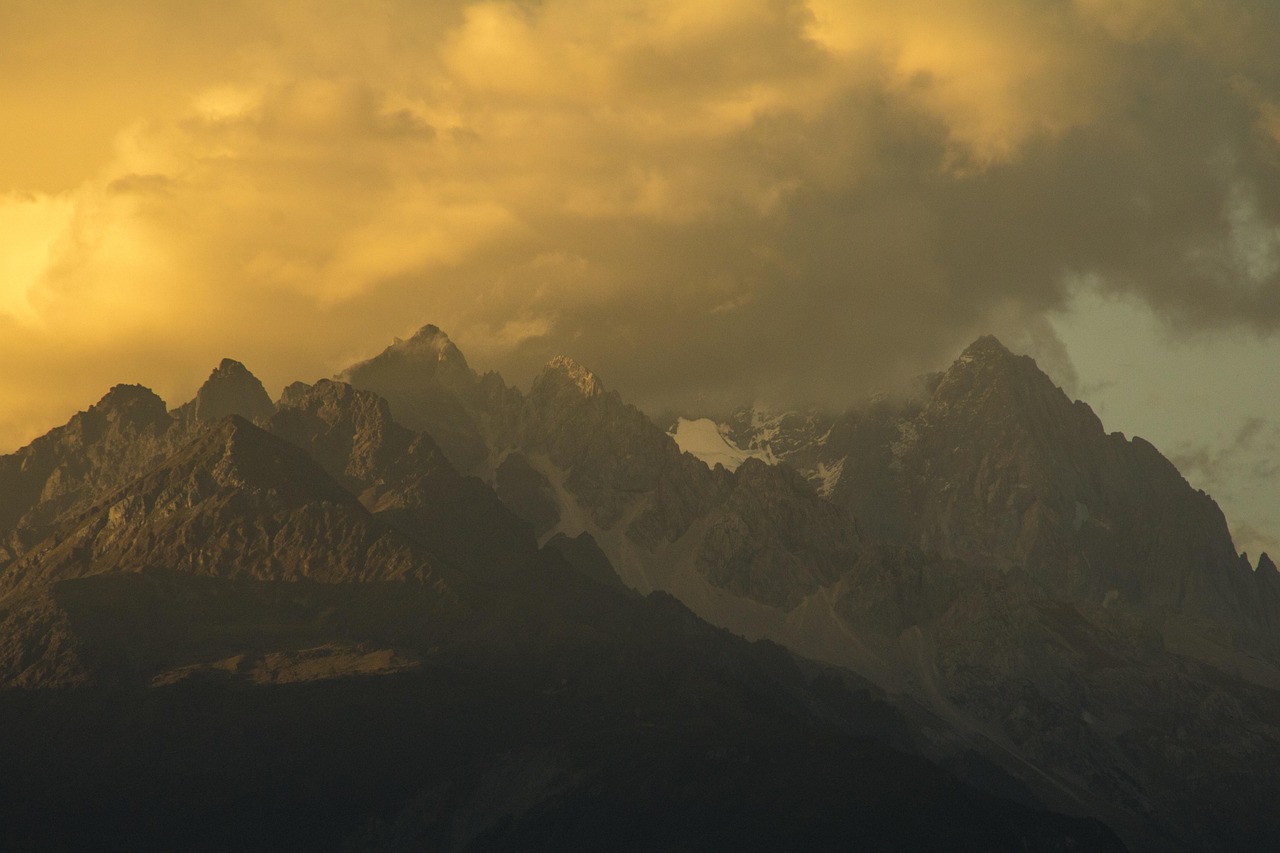
Day 1 begins at the Zheduo Mountain Snow Viewing Platform, an untimed stop, and continues to Yuzixi, budgeted at one hour — the only timed stop of the day, which keeps the opening day loose.
Day 2 strings together three stops: the Heavenly Road Eighteen Bends Viewing Platform (untimed), the Letong Ancient Town and Thousand-Household Tibetan Village Scenic Area at one to two hours, and the Daocheng White Pagoda (untimed). The scenic area is the day’s only fixed time commitment.
Day 3 takes in Zhaguanbeng and Chonggu Temple, both untimed, before the single timed stop of the day: Pearl Lake, at one to two hours.
Day 4 is the densest of the middle days — Luorong Pasture, Milk Lake and Five-Color Lake, one hour each, for three hours of listed stop time in total.
Day 5 is the lightest day of the itinerary, with one stop: the Walking Marriage Bridge, at one hour.
Day 6 is the fullest day of the route. It runs Xiaoluoshui (one hour), Lige Island (one to three hours), the Lugu Lake National Scenic Area - Lovers Beach (one hour) and Daluoshui Village (three hours), which adds up to six to eight hours across four stops.
Day 7 closes the route at the Old Town of Lijiang, with no time budget attached — a free-form final day.
Trade-offs
Day 6 is the pinch point at six to eight hours of listed stop time, and the schedule flexes at Lige Island, whose one-to-three-hour range is the widest in the plan; travellers watching the clock favour the low end, which keeps the day closer to six hours. If the day still runs long, the cleanest cut is the Lugu Lake National Scenic Area - Lovers Beach stop at one hour, while Daluoshui Village — at three hours, the largest single block of the day — is the cut to make only when a bigger saving is needed.
Travellers who want a simpler plan should simplify at the Days 3 and 4 pair: Day 4 chains three one-hour stops at Luorong Pasture, Milk Lake and Five-Color Lake, and anyone content with a single lake day can keep Day 3’s Pearl Lake (one to two hours) and skip the Day 4 chain altogether. Day 5, with its lone one-hour stop at the Walking Marriage Bridge, is the natural place to rest or absorb spillover, and travellers pressed for time can end the trip at Lugu Lake and drop the untimed Day 7 in the Old Town of Lijiang, which carries no timed commitments.