Why this route
This six-day Yunnan route holds together because every stop belongs to one of three interlocking threads: still water, high ground, and heritage. Water opens and closes the itinerary — Lashi Lake Wetland Park on Day 1, Lugu Lake on Day 2, Erhai Lake on Day 3, and Tengchong Beihai Wetland on Day 6 — while the high ground runs from the Gemu Goddess Mountain Cableway and The CangShan Mountain to the Tengchong Volcanic and Geothermal National Geological Park on Day 5. The heritage thread — Xizhou Town, The Chongsheng Temple And The Three-Pagoda, Shaxi Ancient Town, and Heshun Ancient Town — carries Days 4 and 5, so the sequence runs landscape first, heritage in the middle, and water again at the close, spreading the three themes across the week instead of bunching them.
The day split manages pace as much as theme. Four of the six days lean on one-to-three-hour ranges — Days 1, 2, 4, and 5 — so most stops can stretch or shrink, and the one-hour stops on Day 2, the Gemu Goddess Mountain Cableway and Xiaocaohai, act as short, fixed punctuation between longer visits. Day 3 is the exception and the least flexible day of the six: two fixed three-hour blocks, The CangShan Mountain and Erhai Lake. Day 6 then closes with a single one-to-three-hour stop at Tengchong Beihai Wetland, the lightest day of the route and a soft landing after the three-stop Day 4.
Day by day
Day 1 stays entirely around one lake: three hours at Lashi Lake Wetland Park, followed by one to three hours at the Anzhong Horse Riding Ground at Lashi Lake, pairing a long wetland visit with time at the riding ground.
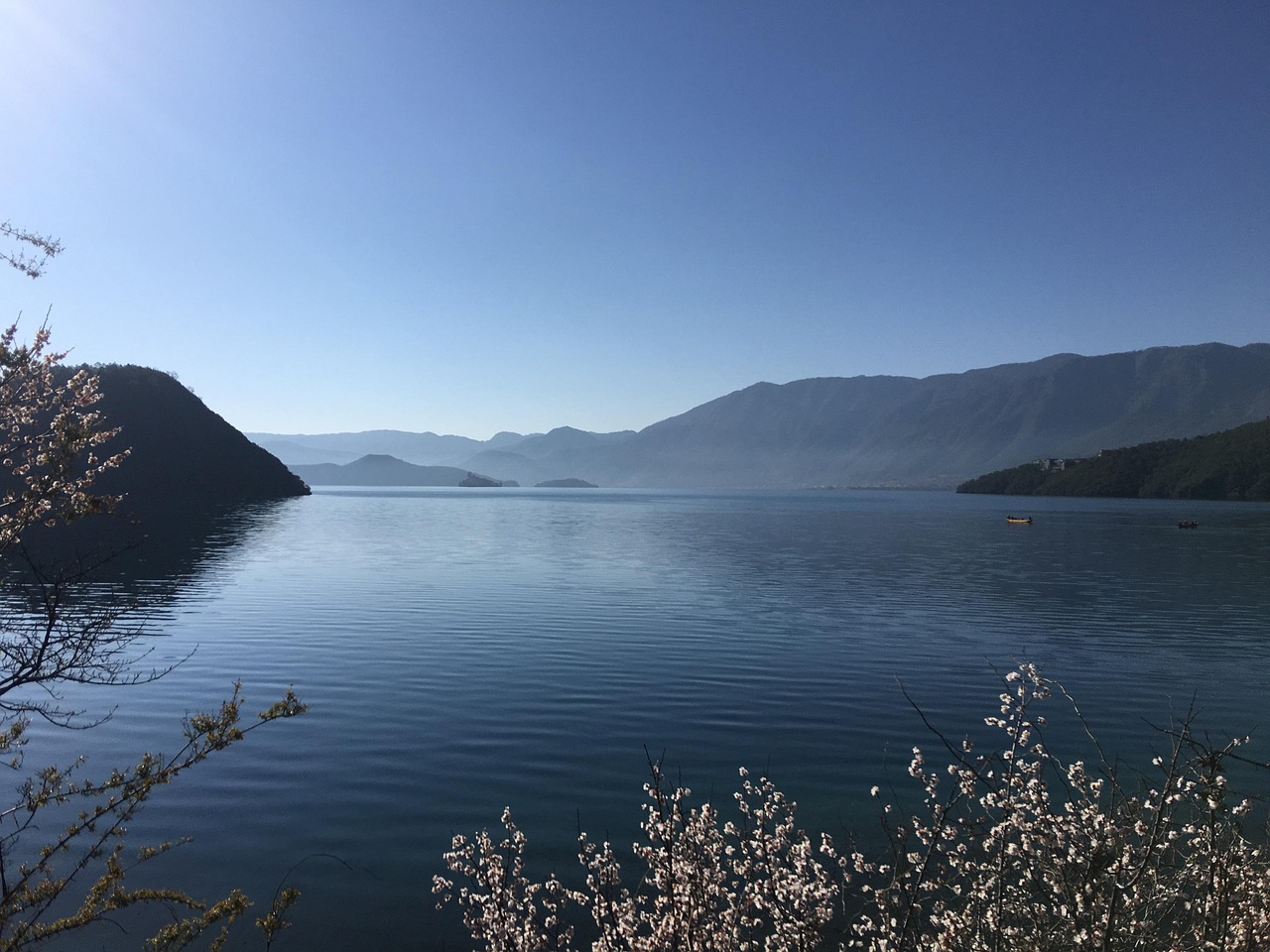
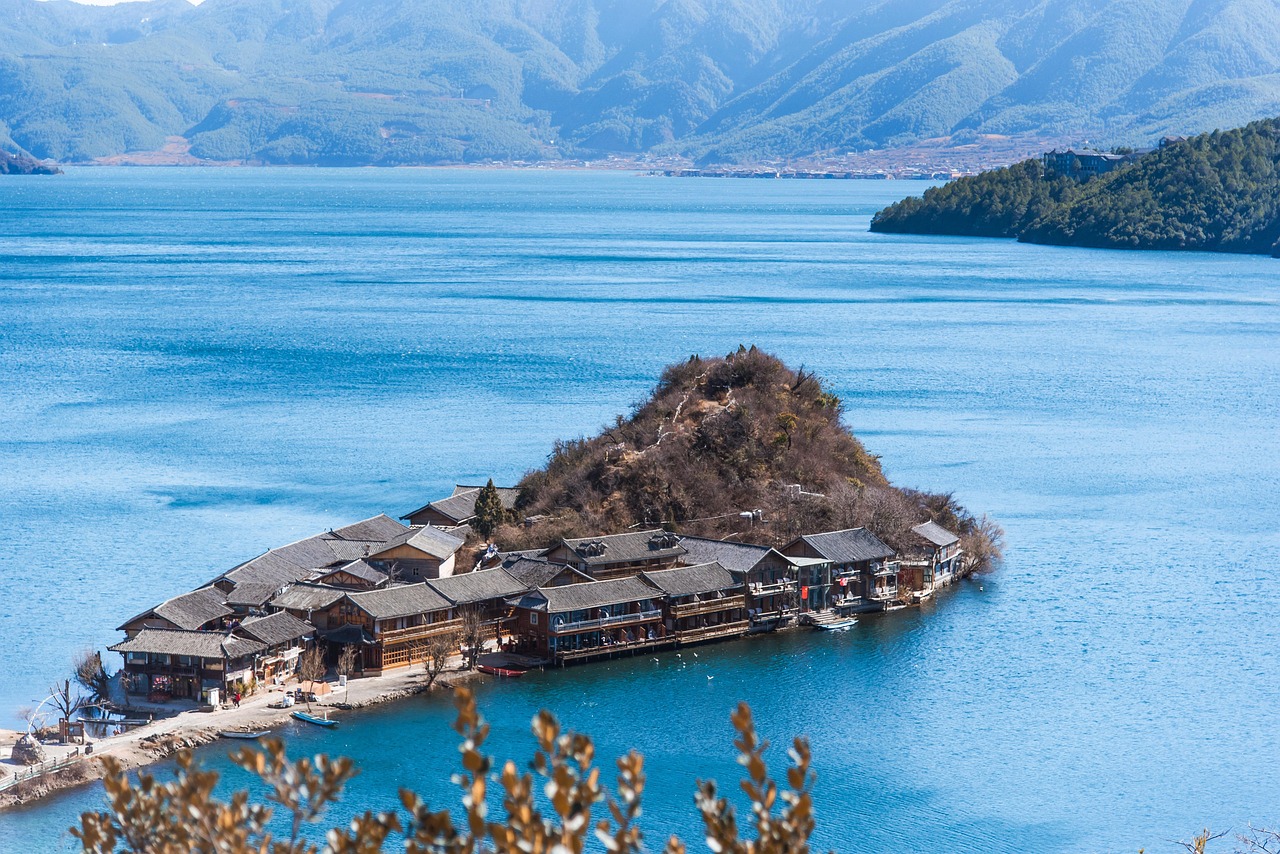
Day 2 strings together three stops — one to three hours at Lugu Lake, one hour on the Gemu Goddess Mountain Cableway, and a final hour at Xiaocaohai. With two stops fixed at a single hour, the lake visit is the part of the day that can stretch.
Day 3 is the route’s least flexible day: three hours on The CangShan Mountain followed by three hours at Erhai Lake, mountain first and lake second, with no ranges to trim.
Day 4 is the densest day of the route. Xizhou Town takes one to three hours, The Chongsheng Temple And The Three-Pagoda another one to three hours, and Shaxi Ancient Town a fixed three hours — five to nine hours of stops in total.
Day 5 pairs three hours at Heshun Ancient Town with one to three hours at the Tengchong Volcanic and Geothermal National Geological Park, shifting the route from old streets to volcanic terrain.
Day 6 closes lightly with a single stop, one to three hours at Tengchong Beihai Wetland, returning the route to the wetland landscape it started from and ending the six days on a quiet note.
Trade-offs
Day 4 is the tightest day and the right place to cut. If five to nine hours of stops feels heavy, drop Xizhou Town and go straight to The Chongsheng Temple And The Three-Pagoda; if all three stops stay in, hold the two one-to-three-hour stops to their short end so the fixed three hours at Shaxi Ancient Town survive intact.
The schedule also flexes at both ends of the route. On Day 2, travellers content at water level can skip the one-hour Gemu Goddess Mountain Cableway or the one-hour Xiaocaohai stop and give Lugu Lake the wide end of its range, and anyone who prefers fewer moving parts can treat the Day 1 horse riding as optional, since Lashi Lake Wetland Park already fills three hours on its own. Day 6’s single one-to-three-hour stop at Tengchong Beihai Wetland makes the final day easy to shorten for anyone who wants a gentler finish.